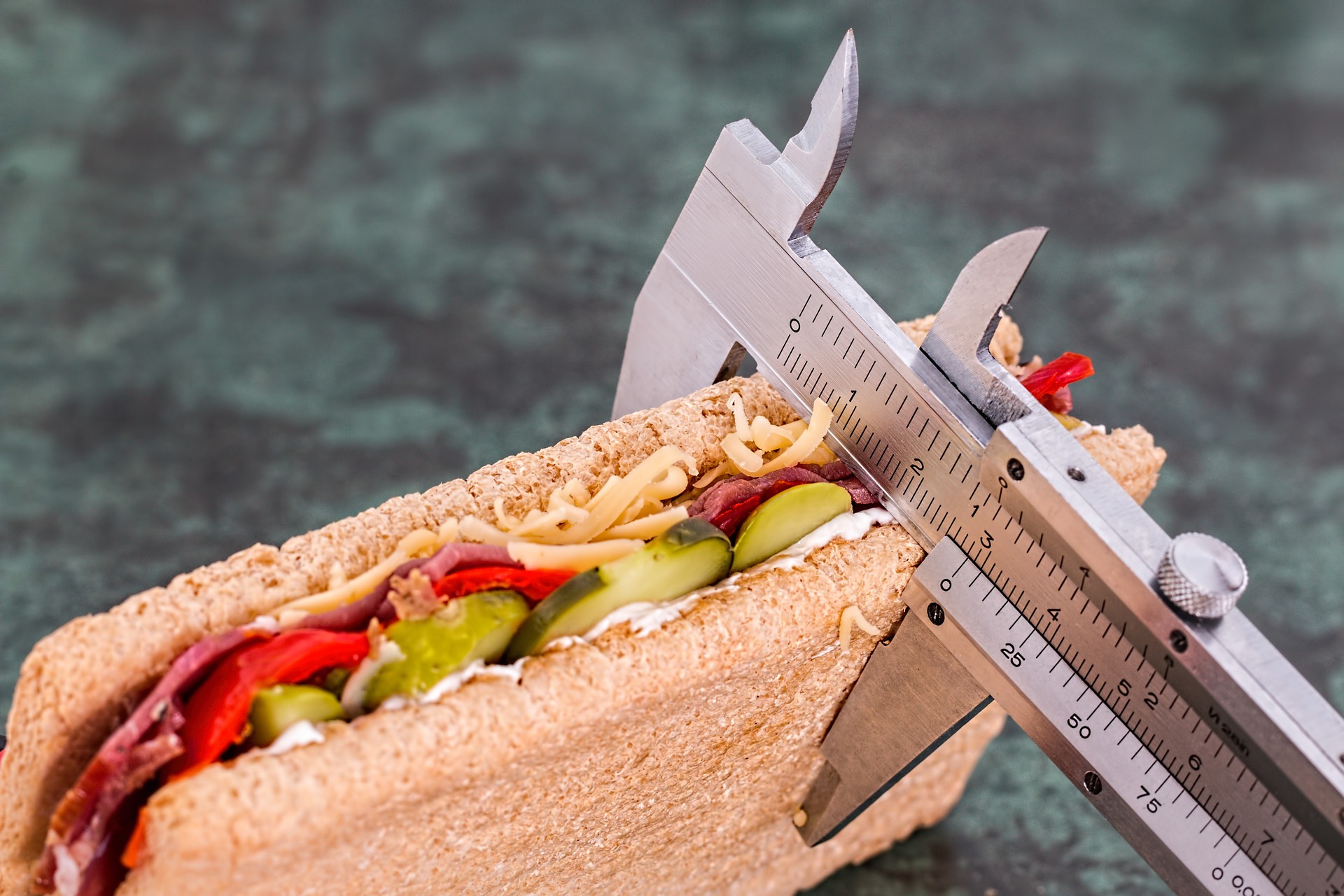
Eating well as an older adult can help prevent (or at least slow down) many of the changes our body goes through over time. For the first half of your life you may be unaware of these changes. However, as you age certain changes become very apparent. Your nutritional needs for one. You’ve probably noticed that you can’t eat junk food as much anymore without it having adverse effects on your body and making you feel bad. The body is ready for healthy food and it can be very demanding and sometimes unforgiving if you don’t feed it properly. Be sure you are eating well.
Many people are undernourished without realizing it, however their bodies are still young enough to deal with it. However, as you age being undernourished can have serious implications on both your body and your mind. Eating quick fix convenience foods that are lower price are much easier for older people to prepare, but these are the least healthy types of foods.
Instead, although they may not be your favorite, opt to add raw or lightly steam vegetables to your diet. These make great snacks as well as side dishes for main meals.
The aging process slows down metabolism. You may think this doesn’t start until later in life, past the age of 60 or 70, but for many people it can start in the late 30s and early 40s. These decades aren’t considered old by any means, but the body is starting to go through changes in these years and it can affect your health. If you’ve never been a health nut by the time you reach 40, this is a great time to start.
Benefits of Eating Well for the Older Adult
The sooner you get on a healthy diet and exercise program, the easier it will be to stave off many ailments that are common in older adults. Keep these things in mind and start implementing them into your daily lifestyle during your middle ages; for sure during your early senior years:
* Drink water. Water is an absolute must and should be on the very top of your list. Every organ in your body needs plenty of water to function properly. This is especially true for the brain. If you want to keep your mind sharp and in good health, give it plenty of water along with extra nutrition.
* Up your fiber intake. Fiber is an essential ingredient for maintaining optimum health. Studies have shown it has many health benefits. You can get fiber from most fruits and vegetables or you can take supplements.
* Eat a variety of foods. Fresh fruits and vegetables are your best choices. If you’re experiencing gluten intolerance or even lactose intolerance, your diet will be more limited, but fruits and vegetables are great because you can eat a lot of them without consuming too many calories.
* Leave the salt shaker in the cupboard. Most foods already contain plenty of sodium for your body. There is no need to add extra. If you’re finding that food is losing its flavor, you can add herbs and spices to give it more zest and flavor. The seasoning Dash is also a great flavor choice.
* Avoid high cholesterol foods. Not only is cholesterol unhealthy, eating food that isn’t nutritious can leave you bloated and not wanting to eat the right foods. The more junk you consume, the more your body will crave it.
* Watch your fat intake and make sure you are eating healthy fats instead of saturated fats. Healthy unsaturated fats can be found in nuts, seeds and oils like olive oil.
* Have your calcium, iron and vitamin E levels checked regularly. These are important nutrients for overall health.
* Cut out processed sugar. Processed sugar is high in calories and low in nutritional value. If you need something sweet, try using something produced by nature that isn’t refined, like honey or maple syrup.
Following a healthy diet and making sure you fill all your nutritional needs can be a challenge as you age, but it doesn’t have to be complicated. Simply eat more fresh fruits and vegetables, drink plenty of water, limit your bad food choices and get active. These simple tips will take you well into old age without feeling so old. However, you do need to start as soon as possible. Remember, these changes begin in your 30s and 40s. Develop good habits before you’re too old and in poor health, although starting at any age is better than not starting at all. It is never too late!

Leave a Reply